|
Among Plant Protein Sources
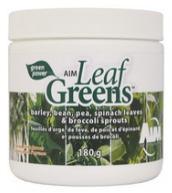
AIM Leaf GreensTM is the Best
HISTORY: Since AIM has been looking to develop a protein powder for some time, research and development have been ongoing. What they found was that other protein powders had been made from the plant seed, bean or grain. To extract the protein from these plant parts it was necessary to use harsh chemicals that actually degraded the protein, plus the protein was deficient in lysine and methionine. Because AIM's standards are so high, they were not interested in making another protein powder that was denatured and not a complete protein. They were only interested in a superior plant-based protein, one that was better than any protein powder on the market.
After much research it was decided to use the protein that was found in plant leaves, rather than the seeds, beans, or grains. This was something that had never been done before. In order to do this AIM developed a unique and remarkable process called ultra-cold filtration. This method was a non-chemical process that preserved the proteins, amino acids, and other nutrients found in each leaf of LeafGreens. AIM selected four leaves to use for this important powder: spinach leaf, faba bean leaf, field pea leaf and barley leaf.
What they came up with was a juice that was 50% protein which contained all the essential amino acids, exactly what they were hoping for. But to their amazement they found that the other nutrients, such as iron, found in the leaves, were elevated almost beyond belief! AIM uses 44 pounds of leaves to make one pound of powder. So the nutrients are very concentrated. Each 8 ounce canister of LeafGreens contains the nutrients and protein found in 22 pounds of leaves. LeafGreens is the only green product that is processed with ultra-cold filtration because only AIM has this process. The nutrients are concentrated to more than 40 times that of ordinary green juice powders. LeafGreens is the most concentrated form of nutrition available for any price today and is exclusive to The AIM Companies.
SPINACH: It would take approximately 58 large bags of spinach to provide the equivalent leaf weight found in each canister of AIM LeafGreens. At today's prices this equates to about $174 worth of spinach. Spinach is rich in iron and is a good source of Vitamin A which supports vision, healthy skin, hair and tissues as well as proper bone growth and tooth development. Choline and inosotol are B vitamins in spinach that have been shown to help fight thickening or hardening of the arteries.
The flavonoids in spinach have been studied extensively for their antioxidant and anti-cancer properties. International Journal of Cancer Research noted that antioxidants found in spinach might reduce the risk of breast and ovarian cancer. Research also shows that lutein, a nutrient particularly abundant in spinach, may prevent age-related macular degeneration and cataracts. Spinach leaf may also aid in helping resolve anemia, constipation, insomnia, obesity, high blood pressure, bronchitis, dyspepsia and, on the whole, supports overall wellness.
FABA BEAN LEAF: Quercetin, found in the faba bean leaf, offers. Read about the many
Quercetin benefits
and the relatively few
Quercetin side effects.
Recent research has found quercetin to inhibit the production and release of histamine and other allergic and inflammatory substances. Histamine contributes to allergy symptoms such as runny noses, watery eyes and swelling of soft tissue. Good news for allergy sufferers. Quercetin is also is a vasodilator (opens blood vessels) and has an anti-clotting function that may help improve circulation. It inhibits inflammation in joints of those with arthritis, rheumatoid arthritis and fibromyalgia. Dopamine found in this leaf is a hormone and is the precursor to L-Dopa which is used in treating Parkinson's Disease because it can cross the blood-brain barrier. This also increases human growth hormone and libido.
FIELD PEA LEAF: Among the many nutrients found in the field pea leaf is the flavonoid kaempferol. This helps inhibit the formation of LDL-the bad cholesterol. It helps regulate the hormones that control the water/sodium balance in the blood thereby improving urination and functioning of kidney cells. It also moderates water retention and blood glucose levels. It helps prevent oxidative stress which studies show may cause neurodegenerative diseases like Parkinson's and Alzheimer's. The large Nurse's Health Study showed that women who consumed higher amounts of kaempferol were less likely to die of heart disease than women with lower intakes.
BARLEY LEAF: This leaf has been found to be the most nutritious of the green grasses. It is a remarkably complete source of nutrition, containing a broad spectrum of vitamins, minerals, amino acids, antioxidants, enzymes, phytochemicals (plant chemicals) and chlorophyll. Leaf Greens contains three times the chlorophyll found in most green juice powders. Chlorophyll and hemoglobin are identical except for the mineral that's present. The mineral in chlorophyll is magnesium while the mineral in hemoglobin is iron. There is reason to believe that when chlorophyll is consumed that our bodies know exactly how to convert it to hemoglobin. LeafGreens should prove to be very good at relieving anemia. Vitamin K is also high in LeafGreens; this vitamin is essential for the body's use of calcium for healthy bones as well as helping prevent the calcification of arteries and it also helps regulate blood sugar.
BROCCOLI SPROUTS: Broccoli sprouts are a known cancer fighter. But research has shown that the young plants, the sprouts have up to 65 times higher levels of sulforaphane, the compound responsible for this effect. Sulforaphane is also has anti-diabetic, and anti-microbial attributes. Scientists have found this can increase cardiovascular health, decrease inflammatory response in airways, revitalize the immune system, reduce the effects of aging and support liver detoxification. Read some details of the research on the power of
sulforaphane in broccoli sprouts.
It's your choice: Healing leaves or synthetic multiple vitamins.
For more information about obtaining LeafGreens go to
The AIM Store
and click on the "Products" tab.
|
Keep up to date with
valuable insights into
pain management via
a healthy lifestyle.
Receive the monthly
Natural Pain Relief
Guide Newsletter.
News articles, health
tips, specials, freebies.
Enter your email and name
in the form to the right.
|
|
|



New! Comments
Have your say about what you just read! Leave me a comment in the box below.